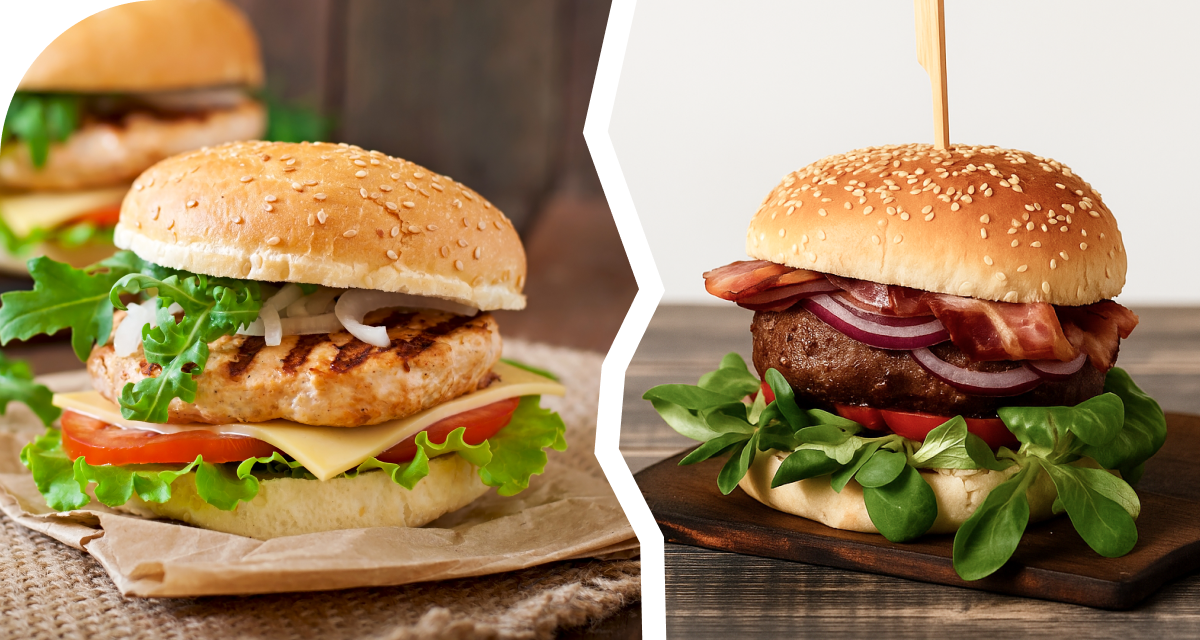
Turkey Burgers vs. Beef: A Nutritional Showdown
The humble burger holds a revered place in culinary culture, a staple comfort food enjoyed by millions worldwide. But as health consciousness grows, many of us find ourselves pondering the nutritional implications of our favorite patty. Specifically, the debate between turkey burgers and traditional beef burgers often boils down to one critical question: which one is truly the healthier choice? While often touted as a leaner, healthier alternative, the reality behind turkey burgers versus beef is more nuanced than a simple yes or no. Let's dive deep into the nutritional profiles, health benefits, and potential pitfalls of each, helping you make an informed decision for your next meal.
Understanding the Core Nutritional Differences
To truly compare, we must look beyond generalizations and examine the macronutrients and micronutrients each type of patty brings to the table. The "healthier" label often hinges on fat content, particularly saturated fat, and overall calorie count. However, protein, cholesterol, sodium, and essential vitamins and minerals also play significant roles.
- Calories: Generally, a standard 4-ounce patty of lean ground turkey (93% lean/7% fat) will have fewer calories than a similar-sized beef patty (80% lean/20% fat). For example, a lean turkey burger might range from 160-200 calories, while a beef burger with higher fat content could be 250-300 calories or more. However, extra lean ground beef (95% lean/5% fat) can be very comparable in calories to lean ground turkey.
- Fat Content: This is often where turkey burgers gain their reputation. Lean ground turkey typically has less total fat and significantly less saturated fat than fattier cuts of ground beef. Saturated fat is a primary concern for heart health, as high intake can raise LDL ("bad") cholesterol levels.
- Lean Ground Turkey (93/7): Approximately 7-10g total fat, 2-3g saturated fat.
- Lean Ground Beef (90/10): Approximately 10-12g total fat, 4-5g saturated fat.
- Regular Ground Beef (80/20): Approximately 18-20g total fat, 7-8g saturated fat.
- Protein: Both turkey and beef are excellent sources of high-quality protein, essential for muscle repair, growth, and overall satiety. A 4-ounce patty of either will provide around 20-25 grams of protein.
- Cholesterol: While dietary cholesterol's impact on blood cholesterol is less clear-cut than saturated fat, both patties contain it. Lean turkey and lean beef tend to have similar cholesterol levels, roughly 60-80mg per 4-ounce patty.
- Sodium: Unseasoned ground turkey and beef are naturally low in sodium. However, many pre-made or restaurant turkey burgers often contain added salt and binders, significantly increasing their sodium content, sometimes even surpassing beef burgers. Always check labels!
- Micronutrients:
- Beef: A powerhouse for iron (especially heme iron, which is highly bioavailable), zinc, and B vitamins (B12, niacin, B6). These are vital for energy production, immune function, and red blood cell formation.
- Turkey: Rich in B vitamins (niacin, B6, B12), selenium, phosphorus, and zinc. While it contains iron, it's typically less than beef.
Beyond the Numbers: The Health Implications of Each Patty
Understanding the raw nutritional data is just the first step. How do these numbers translate into actual health benefits and considerations?
The Case for Turkey Burgers
The primary health advantage of turkey burgers, particularly those made from lean ground turkey breast, lies in their lower saturated fat content. Reducing saturated fat intake is a key recommendation for maintaining heart health and lowering the risk of cardiovascular disease. For individuals actively managing their cholesterol or seeking to reduce overall fat intake, lean turkey burgers can be an excellent choice.
Turkey is also a fantastic source of lean protein, which aids in satiety, helping you feel fuller for longer and potentially assisting with weight management. The B vitamins present in turkey contribute to energy metabolism and nervous system function. However, one common complaint about turkey burgers is their tendency to be dry. This often leads manufacturers or cooks to add fat (like cheese or bacon) or binders, negating some of the health benefits. To prevent this, consider exploring our guide on Mastering Juicy Turkey Burgers: A Simple Guide.
The Case for Beef Burgers
While often criticized for its fat content, beef, especially leaner cuts, offers significant nutritional benefits that shouldn't be overlooked. Its unparalleled iron content is crucial for preventing anemia, particularly important for women and growing children. Zinc is vital for immune function and wound healing, and vitamin B12 is essential for nerve function and DNA synthesis, something not found in plant-based foods.
Grass-fed beef, increasingly popular, often boasts a more favorable fatty acid profile, with higher levels of omega-3s and conjugated linoleic acid (CLA), which some research suggests may have anti-inflammatory and other health benefits. When opting for beef, choosing leaner ground options (90/10 or 93/7) can significantly reduce saturated fat and calorie intake, making it a perfectly healthy protein source within a balanced diet.
The Ultimate Burger Equation: Toppings, Buns, and Preparation
The patty itself is only one component of the burger experience. The choices you make for buns, toppings, and cooking methods can dramatically shift the nutritional profile of your meal, often overshadowing the difference between turkey burgers and beef.
Making Smart Choices Beyond the Patty
- Buns: A white flour bun can add 150-200 calories and simple carbohydrates with little fiber. Opt for whole-wheat buns for added fiber and nutrients, or consider a lettuce wrap to drastically cut calories and carbs.
- Toppings: This is where burgers can go from healthy to indulgent very quickly.
- Healthy Toppings: Load up on fresh vegetables like lettuce, tomatoes, onions, pickles, and sprouts. Avocado adds healthy monounsaturated fats and creaminess. Sautéed mushrooms and onions are also great choices.
- Indulgent Toppings: Cheese (especially multiple slices), bacon, fried onions, and creamy sauces (mayonnaise, special sauces) can add hundreds of calories, grams of fat, and excessive sodium. A single slice of American cheese can add 70-100 calories and 6-9g of fat.
- Condiments: Ketchup and mustard are relatively low in calories, but BBQ sauce can be high in sugar and sodium. Be mindful of portion sizes for all condiments.
- Cooking Method: Grilling or baking your burger patties is generally healthier than pan-frying, as it allows excess fat to drain away.
- Sides: Swapping out fries for a side salad, roasted vegetables, or a cup of fruit can transform the entire meal into a much healthier option.
Remember, a turkey burger smothered in cheese, bacon, and creamy sauce on a white bun with a side of fries is unlikely to be healthier than a lean beef burger topped with fresh veggies on a whole-wheat bun with a salad. For even more ways to enhance your meal, consider tips from Elevate Your Turkey Burger: Tips for Deliciousness.
Making the Smart Choice: Tips for a Healthier Burger Experience
Ultimately, the "healthier choice" isn't solely about turkey burgers versus beef, but how you prepare and consume your burger. Here are some actionable tips:
- Choose Lean Cuts: Whether you prefer turkey or beef, always opt for the leanest ground meat available (e.g., 93% lean/7% fat or 95% lean/5% fat).
- Read Labels Carefully: Especially for pre-made patties or ground turkey products, check the nutrition label for fat content, sodium, and added ingredients. Some ground turkey mixtures include skin, which increases fat.
- Control Portion Sizes: A standard 4-ounce patty is usually sufficient. Avoid oversized burgers.
- Homemade is Best: Making your own patties from scratch gives you complete control over ingredients, allowing you to avoid fillers, excessive sodium, and unwanted fats. Season simply with herbs and spices.
- Focus on Fresh Toppings: Prioritize fresh vegetables to add fiber, vitamins, and a satisfying crunch without excess calories.
- Opt for Whole Grains or Go Bunless: Choose whole-wheat buns for added fiber or use large lettuce leaves as a wrap to reduce carbohydrate intake.
- Mind Your Sides: Pair your burger with nutrient-dense sides like a garden salad, steamed vegetables, or sweet potato fries instead of regular fries.
Conclusion
When it comes to turkey burgers versus beef, there's no single, universally "healthier" winner. Lean ground turkey typically offers an advantage in lower saturated fat and calories, making it a good choice for those prioritizing heart health or calorie reduction. However, lean beef provides a superior profile of certain micronutrients like iron and zinc, essential for many bodily functions. The true determinant of a burger's healthfulness lies less in the type of meat and more in the specific cut chosen, the preparation methods, and critically, the toppings, bun, and accompanying sides. By making conscious choices throughout the entire burger assembly process, you can enjoy a delicious and satisfying meal that aligns with your health goals, regardless of whether you choose turkey or beef.
